Description
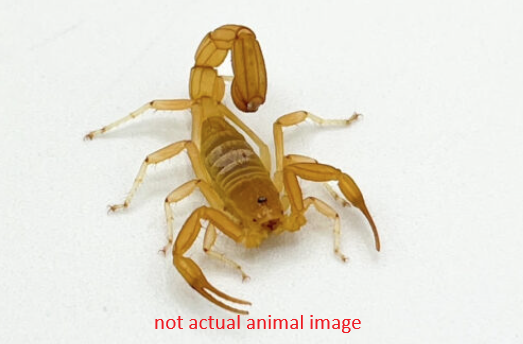
The Striped Devil Scorpion is an eye-catching desert scorpion known for its striped appearance, active hunting behavior, and bold defensive posture. This species is appreciated by invertebrate keepers who enjoy low-maintenance display animals with a more rugged, desert-adapted look.
Striped Devil Scorpions are best kept as observation animals rather than handling pets. Like all scorpions, they can sting and should be treated with caution. A secure enclosure with a tight-fitting lid is important to prevent escapes and keep the animal safely contained.
This species does best in a dry, desert-style setup with appropriate substrate for burrowing, hiding areas, and a shallow water source. Striped Devil Scorpions feed on properly sized live insects such as crickets, dubia roaches, and other feeder insects. Proper temperatures, clean housing, and minimal stress will help support long-term health.
Whether you are expanding your invertebrate collection or looking for a unique desert scorpion to display, the Striped Devil Scorpion is a fascinating choice for keepers who respect its defensive nature and provide secure, species-appropriate care.